Money Matters Newsletter

Update March 9, 2017

"Winter isn't over until it snows on the Dogwoods"

Carl Plaza- a dear friend

Marc's notes,

Howdy all and Jambo~  Into spring we go~ Everybody happy with the new president and the markets? (No need to answer because I am not sure everyone will agree!) Some new year eh?


Back on the air! Money Update February 24, 2017


Well Hello Money Matters Fans…


Wow, what a month. I apologize for not posting here and keeping you up to date on the markets for a while. I took a hiatus from all social media and have written about it below.

Which also means I got a lot done.

I also made two trips to investigate some investment ideas and was working on some new plans that I will announce in due time. What I can tell you it is that it will mean even more investments for you, some fresh new ideas and more media announcements.  

Stay tuned!

It’s good to be back in touch and you can look forward to continual updates on our markets and the economy surrounding it. I now have some free time to meet with anyone who would like a no-cost, no-obligation financial analysis and discussion.

Hear my strategies and how we address the dynamic markets of today. Money management, estate protection, estate planning, long-term care, health insurance and annuities are open for discussion. I am licensed for all of them and encompass them in a long term and diverse strategy for all types of investors and families.

Email me at mcuniberti@cambridgesecure.com or better yet give me a call at (530)559-1214 and let’s talk.

Money Matters takes to the air on March 2, 2017 at noon, Pacific Standard Time. You can tune in live at 89.5, 104.7, 105.1 or 88.3 all FM bandwidths, depending on where you live. See our website KVMR.org for exact locations and frequencies. You can also tune in live at moneymanagementradio.com or KVMR.org.

If you haven’t already done so, sign up for my no-cost market newsletter at moneymanagementradio.com in the upper right hand corner. You can also click on our Tweet button to tweet any page of our website to Twitter and we just installed a Facebook follow button to make it easy to track the markets through Money Matters.

Feel free to reach out to me any time now that I am done traveling while I was working on more new plans and offerings to better serve our clientele and the listening public.

We are forever changing and evolving here at Moneymanagementradio.com (the home of Money Matters) to better evaluate the markets and disseminate our valuable information and observations to the public regardless of income or social strata. There is something here for everyone!

It is good to be back. I am very excited about the opportunities presented to us with our new administration and the markets of 2017 and beyond. I have some definite opinions as what to expect and where to invest. After being market neutral for more than a year, it is indeed refreshing and exciting to share my new outlook on the markets in the months to come.


Watching the markets so you don’t have to!


*****************************************************************************

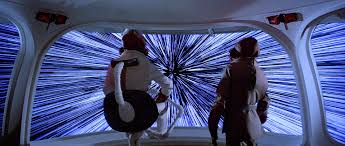
"Look Dankumus, our Facebook 'likes' went into  hyperspace

And look at our eyes all bugged out... and for no good reason !

I guess pinning thousands of hours worth of useless crap to all these websites was not such a good idea especially since nobody gives a S**T anyway!"


Social media. Ten years ago most people wouldn’t have known the meaning of the word.

Today social media is wide spread, well known and the number one use of the internet worldwide.

You know the sites; Facebook, Twitter, LinkedIn and a host of other websites that people use to post, like, vent, hookup or do whatever on.  With billions of folks using these portals, the total combined hours people spend on these things is astronomical and growing. Polls run the gamut on how much time folks spend on surfing social media but recent surveys are beginning to highlight some alarming statistics.

Apparently not only are people burning away their own time, the costs to business are becoming very real as employees twitter away the hours (pun intended) posting, liking tweeting or what have you.

BetterWorks Systems published a poll which found that 87% of full time workers surveyed admitted to reading social media during work hours. About 20% of workers using office computer systems read more than 20 posts a day which adds up to roughly two hours of paid work time.  Approximately 22% of employees idle three or more hours away in the la-la land of social media.

One could make the case that social media is decreasing worker productivity in a big way. Who knows how many dollars are flying out the window as employers end up paying their workers who stare into screens perusing the latest post or tweet.

Furthering the waste, no doubt the trillions of posts and profiles that now exist on these media sites required trillions of man hours to actually construct. Think about that one for a minute.

Where are all these lost hours going? Besides making millions for the sites owners and their advertisers, it could be argued little else is gained monetarily by such activity.

A common belief is there is money to be made by the free advertising to be had by posts and profiles on social sites. My personal experience however has shown little monetary gain to my business despite my having thousands of "friends" on multiple sites and my repeated and ongoing posts, profiles, articles and advertisements

Besides the costs to business, an article by M. Farouk Radwan concludes surfing some social media sites can actually lower self-esteem because people tend to post only positive images of themselves. Comparisons against these fairy tale images rarely end up leaving the viewer with a higher self-image so says Radwan and actually can lead to battered egos and depression.

I am of the opinion the majority of stuff on these sites is little else then curious tidbits but useless garbage yielding nothing more than wasted hours in hyperspace. After all, who cares where I ate for dinner last, whom I hung out with or what mountain I climbed? And what’s the gain in forwarding a picture that strikes my fancy or posting some enlightening one liner I identify with?

The bottom line is that time spent on social media affects the real bottom dollar line of the people that do it and likely not in a good way. That translates to the more time we spend on social media sites, the more money we didn’t make doing something constructive and/or productive for ourselves, our businesses or our employers.

I recently took a month long hiatus from all social media sites as an experiment. My stress level and perception of the level drama in my life dropped surprisingly and the extra time I used doing real things in the real world and I am better for it.

Many believe the less time spent on these websites the better and apparently the corporate world is beginning to come to the same conclusion.

As the real costs to companies become more apparent, I suspect corporate policies makers will begin to put rules and restrictions in place to limit accessibility to such websites.

As individuals begin to access their own loss of production due to the hours spent on such things, I suspect self-imposed curfews will become more and more prevalent as well. Now close the damn browser and get your ass into the real world! There is more money to be made there and there are also real people to interact with. After all I never got a check handed to me from a computer and never shook hands with a keyboard. Life is where you make it and it aint made sitting at a desk staring into a screen. Ask yourself, how many hours do you spend twiddling away the hours in the fantasy land of social media?

Power off would ya?


*********************************************************************


It's tough when someone loses a check, especially if it's a free one..................

Keep reading


Within hours of his inauguration, President Donald Trump reversed a last minute policy made by Barrack Obama which took back a cut in fees by the Federal Housing Administration which would have saved about $500.00 a year that would have been paid by low income and first time home buyers.

In flurry of last minute policy actions from Obama that drew criticism from the Trump administration, the new President immediately put his hand to pen in what is likely to become a series of continuing policy reversals.

Many analysts are still at odds as to how we, as a nation, could forget so easily the real estate financing policies that drew this nation and indeed the world banking `system` to the brink of the abyss. Home lending policies that dropped interest rates to record lows, low qualifications standards, subsidized mortgages and fees, quotas, redlining and other mandates and influences by the Federal Government led to a real estate bubble of unprecedented magnitude of which its implosion almost brought the world’s financial `system` to its knees.

Central bankers and policy makers worldwide arguably addressed the unfolding crisis with literally more of the same medicine that caused it. Instead of letting the real estate market purge itself and reach its own equilibrium as it collapsed, authorities stepped forward with more low interest rates, more subsidy assistant, wider availability of home loans and a variety of programs aimed at borrowers and lenders alike. And all of it using public funds to backstop or backfill the trillions in home loans going bad and to literally pay off chunks of peoples mortgages to stave off a mass exodus of homeowners. Many of these programs continue to this day and interest rates continue to be in the historically extreme low range.

With Trumps cancellation of the FHA fee relief, he may be embarking on an ongoing campaign of reeling in the freebies and handouts that many argue have been bankrupting Federal balance sheets. With budgets deficits growing exponentially by the day, a policy of frugality and discipline may be just what this nation needs to finally get its fiscal house in order.

Widespread protest is sure to follow as it always does when checks are taken away from people but much like addressing an overspending spouse, the buck has to stop somewhere and when it does there is bound to be some complaining. That’s the trouble with starting down the road of giving out free money and bailing out bad debts. Moral hazard is destroyed, hard lessons are not learned, and markets don’t finish their much needed corrections not to mention the addiction of free money in your mailbox is a habit not easily relinquished.

All for now and Jambo!

Marc


Update January 11, 2017


Special Announcement:

The FOOD BANK OF NEVADA COUNTY is now taking applications for a new executive director to manage all our operations at the facility. Please see our website a FOODBANKOFNC.org for applications and job description or contact me direct.


Next Money Matters airs January 19, 2017  Noon PST

Tune in to hear about our markets!


Marc's Notes:

Hi kids! Welcome to 2017! All shows on the website at no cost. Check it out! Posting my latest show right now #244. Pay close attention to the above job availability. We need a new director so if you or someone you know would like to submit an application, go to the website listed above.

Looking forward to a great 2017 in the markets. Contact me for a no-cost sit down to revue your holdings and strategies. (530) 559- 1214 or email me at mcuniberti@cambridgesecure.com. Long term care, life insurance, estate protection and income and growth annuities also available. New strategies abound. Read about all of it below!


-----------------------------------

188609 APPROVED

Losses and negative balances when they occur can be an unwelcome aspect of investing but they can actually tell us a lot about what kind of strategies are being used and whether they are appropriate for a particular investor’s situation.

In my humble opinion, the words of famous investor Warren Buffet apply first and foremost:

“Rule No. 1: never lose money; rule No. 2: don’t forget rule No. 1”.

Investors would be prudent to heed such advice. Limiting losses when the market moves against you is more important than how much you make in up markets.

Looking at the percentage amount of your losses in down markets may be an indication of how much at risk your portfolio might be. On the flip side, how much you make in up markets can also help indicate the level of risk.

Suppose an investor sees a general market increase of 50% and his portfolio moves up by the same amount or even exceeds the percentage and gains even more. The investor is thrilled and perceives the strategy a sound one and that he or his advisor is a genius.

Standing back and analyzing that result with more thought however may yield a different opinion.

If the portfolio rises in lockstep with the market, it could also fall in lockstep. In our example, a 50% gain may feel great, but if the market falls 50%, would a 50% loss in your portfolio feel as good?
Probably not. Most investors I know would not tolerate such a setback.  A 50% loss is a gigantic hole to dig out of. To recover from such a loss would then require the market to double from the lower level due to the math involved just to break even. Many investors might think the market only has to recover 50% from such a loss but a rise of 50% gain from the lower level would still yield a 25% loss.

A portfolio that moves up in lockstep with the market may mean you are over exposed for your level of comfort should the market move against you.

A more conservative approach may mean you make less in up markets but you also won’t be subject to violating rule No. 1 as badly.

Think back to the markets of 2009. Many investors took losses in the double digits and some lost significant amounts and still haven’t recovered. Had the losses been limited to single digits however, recovery is much quicker and a lot less stressful.

If you are seeing huge profits in your portfolio in up markets that may indicate a level of exposure you may not be comfortable with once the markets move against you. Generally speaking, a more conservative approach will mean you won’t make as much when markets run, but it also means you won’t lose as much if markets fall.

Portfolios that don’t move much may not seem as exciting or rewarding as your neighbors portfolio at times, but it may mean you will sleep a lot better than he will if the tide of markets rush out unexpectedly.

Portfolios that grow slowly over time but keep losses at a minimum when they inevitably occur, could help to keep rule No.1 at bay.

Heavy concentrations in stocks to gather fast gains may be enticing but there was a reason the tortoise beat the hare. Slow and steady may be the order of the day when it comes to long term investing and living within your risk tolerance level.

--------------------------

Approved 187029

Alternative Strategies to traditional stock market holdings.

Investors come to the stock market to hedge against inflation and living expenses and often say to me they just cannot get any decent returns in the market. Others wince if balances move against them, some no matter slight the balances may drop. It is common for portfolio balances to rise and fall somewhat in concert with the general market but how much they move depends on what kind of assets one holds.

Holding all stocks will likely move the portfolio up significantly in fast uptrends yet drop them just as fast in down markets. One only has to look at portfolio balances in 2008/09 to witness just how much damage can be done. Having stop loss targets which sell out a position at a certain point are prudent to prevent small losses from becoming big ones however could also cause you to lose any gains should the position share price increase after the sell.

Moving some positions to fixed income baskets such as debt instruments (bonds and other types of fixed income investments) and areas which are defensive or traditionally less volatile (in advisor terms having a lower beta) can help smooth out violent moves and provide income or payments to the portfolio to help offset losses. Which of these to hold is the key to a successful strategy as one cannot blindly buy just anything in a certain area.

Holding large amounts of cash or cash equivalents can also help keep movements to a minimum and give one dry powder to spend when prices get lower. Taking profits when they exist can help as well. Nothing can feel worse than having a huge profit only to watch is go away as a security rises then falls back down.

A successful strategy might be to attempt to limit participation in down markets yet get onboard with the uptrends. How one does this and when movements are made is where the proverbial rubber meets the road in money management.

Looking at losses can be indicative as to whether one is utilizing sound strategies. In down markets were your losses significant or limited to a few percentage points? During extreme market routs such as 2008/09 did you lose 5% or did it get ugly with 30% losses or more?

Investor should realize that losses are a part of investing and if one cannot stomach seeing a negative number, bank accounts are the next option as well as U.S. guaranteed debt. These and similar holdings won’t lose value but they likely won’t gain much either and if inflation rages you will likely lose a significant amount of purchasing power. Other strategies that encompass market participation but guarantee no loss of principal are also available but terms and conditions must be understood before investing and early surrender charges may apply to some of these products.

Keeping with a sound semi- conservative strategy may limit upside movement somewhat when compared to the general market but will likely not hurt as much in market sell offs.

In may be wise to abstain from comparing your portfolio to general market movements as a more conservative approach may not move lockstep with the markets. If your portfolio is gaining as much as the underlying indexes, although that feels good in up markets, it could mean you are over exposed in down ones. We will discuss some options to traditional investing techniques in our next edition of Money Matters.

--------------------------


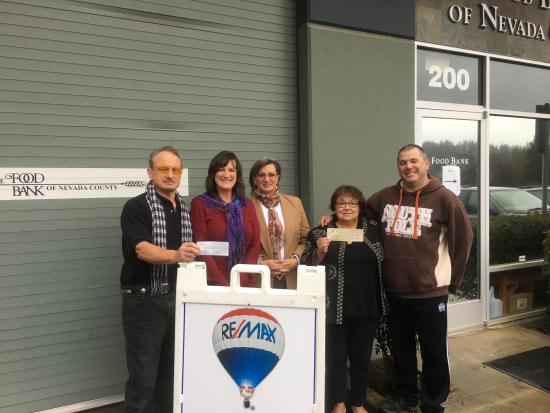
Have you given lately? Many of you did during my Turkey Matters food drive and thank you. Giving and supporting our community is so important. It helps others in need AND helps you feel better about yourself. There are many excuses we can give to avoid giving. Perhaps we throw a dime in the Salvation Army bucket or give a dollar to a homeless person. Although that helps alot, many can afford to give more. Search your soul and ask yourself if what you gave is indicative of what you spend on yourself. You are probably not hungry or cold but many are. Is that new coat or pair of shoes all that important when we have hungry people wandering our streets? Could you give a little more?  Here is a local realtor that saw the need and used her FB account to donate one dollar for every "like" she got. It amounted to over $400.00 without costing anyone who pressed the "like" button a dime. She just paid it herself. A big thank you to Deborah Guelinas and Teresia Renwick of RF/MAX Realty for helping. Her dollars went into our feed the kids program. Thank you!    


Me, Teresia, Deborah, Toni Thompson (Director)  and Bob Dion (Warehouse) 


Contact me if you would like to help in any way you can.


Until next time and Jambo!

Marc


Money Matters airs January 5, 2017 at NOON PST


Hey kids, tune in Thursday for the start of the new year 2017 with a noon Money Matters show!


 Pacific Standard time that is!  Hear what might be coming, some car news and how you might buy one, and a whole bunch of other great market stuff to listen to~


Call in with your questions anytime during the show at (530) 265-9555 and ask live on air 


Talk to you all tomorrow and enjoy reading below!


----------------------------------------------------------------------------------


NOTE: I am doing research for a report/article on senior housing availability in Nevada County. If you or someone you know lives in a rented apartment of the Senior Living type in our county, whether it is unassisted or assisted, please contact me. I have a few quick questions I would like to ask~


-------------------------------------------------------------------------


“It’s not what you do with success that makes you successful but what you do with failure. Anyone can succeed and celebrate a win, but it’s what you do when you fail that separates a winner from a loser and makes us that much better in the end. This is the defining difference between those that are successful and those that are not”


---------------------------------------------


Losses and negative balances when they occur can be an unwelcome aspect of investing but they can actually tell us a lot about what kind of strategies are being used and whether they are appropriate for a particular investor’s situation.


In my humble opinion, the words of famous investor Warren Buffet apply first and foremost:

“Rule No. 1: never lose money; rule No. 2: don’t forget rule No. 1”.


Investors would be prudent to heed such advice. Limiting losses when the market moves against you is more important than how much you make in up markets.


Looking at the percentage amount of your losses in down markets may be an indication of how much at risk your portfolio might be. On the flip side, how much you make in up markets also can indicate the level of risk.


Suppose an investor sees a general market increase of 50% and his portfolio moves up by the same amount or even exceeds the percentage and gains even more. The investor is thrilled and perceives the strategy a sound one and that he or his advisor is a genius.


Standing back and analyzing that result with more thought however may yield a different opinion.


If the portfolio rises in lockstep with the market, it could also fall in lockstep. In our example, a 50% gain may feel great, but if the market falls 50%, would a 50% loss in your portfolio feel as good?

Probably not. Most investors I know would not tolerate such a setback.  A 50% loss is a gigantic hole to dig out of. To recover from such a loss would then require the market to double from the lower level due to the math involved just to break even. Many investors might think the market only has to recover 50% from such a loss but a rise of 50% gain from the lower level would still yield a 25% loss.


A portfolio that moves up in lockstep with the market may mean you are over exposed for your level of comfort should the market move against you.


A more conservative approach may mean you make less in up markets but you also won’t be subject to violating rule No. 1 as badly.


Think back to the markets of 2009. Many investors took losses in the double digits and some lost significant amounts and still haven’t recovered. Had the losses been limited to single digits however, recovery is much quicker and a lot less stressful.


If you are seeing huge profits in your portfolio in up markets, that may indicate a level of exposure you may not be comfortable with once the markets move against you. Generally speaking, a more conservative approach will mean you won’t make as much when markets run, but it also means you won’t lose as much if markets fall.


Portfolios that don’t move much may not seem as exciting or rewarding as your neighbors portfolio at times, but it may mean you will sleep a lot better than he will if the tide of markets rush out unexpectedly.


Portfolios that grow slowly over time but keep losses at a minimum when they inevitably occur, could help to keep rule No.1 at bay.


Heavy concentrations in stocks to gather fast gains may be enticing but there was a reason the tortoise beat the hare. Slow and steady may be the order of the day when it comes to long term investing and living within your risk tolerance level. 


----------------------


"Size up your shot or just hit away"


Do you plan your shots or just step up and whack it? Some might call it winging it, others shooting from the hip. No matter what the label, we all know what it means. In life we have two choices, or at least during most times we do. The unforeseen event may hit us without warning leaving us no time to prepare, but even in an event such as this, we may have had to opportunity to plan what happens to us. Our two choices entail sizing up our trajectory, our hopeful flight path and desired end result or not planning at all and hope for the best. We can even prepare for the unexpected in many cases. How and what we plan, and even if we do plan at all are all conscious events and have a bearing on what the final impact or result may be. Wearing seatbelts is a preparation of sort: preparing for the unavoidable. Using insurance is preparing for the undesirable and planning ahead in business and in life is hopefully affecting how successful we are. There are many ways to prepare but in most cases only a few ways are the right ways. Many people prepare incorrectly and some don't prepare at all. Hence the men are weeded out from the boys and successful rise above the rest. The proverbial cream at the top. Knowing how to prepare is tantamount to success for if one knows not what questions to ask, it will all be for naught. Whatever your undertaking, if you are not sure or new to whatever quest you may seek, ask someone who has been there or has the knowledge required for whatever it is you are striving for. Failure should not be an option. It can wipe out your dreams, your pocket book, or even your life. When you are ready to step up the tee and whack one, your first move should be to step back and prepare. Survey the landscape and do all things you can to insure a successful shot. Then get up there and knock it out of the park!


Jambo till air time!


Marc


An update on Real Estate Merry Christmas

Money Matters kicks off January 2019 on January 5, 2016 NOON PST on KVMR FM and Moneymanagementradio.com.


Marc's notes:

Wondering what is up with real estate lately? Keep reading!


Approved 184160


Money Update- Fixed income sells off. Money Matters airs Thursday. UPDATE 12/14/2016

----------------------------

A note about driving from my son Kyle:

Tragic Event

            Have you ever been told something to look out for but you don’t pay any attention to it because you think it won’t happen to you? This is what I did when my dad would tell me something to look out for when I was driving. He always would tell me stories of what has happened to him in the past or what happened to his friends. I listened but I didn’t fully understand because I couldn’t relate.  I never thought that these things would happen to me, so I didn’t take them seriously, until one day.

            It was around nine o’clock; my family and a few friends were in the car as we were coming back from a party. I was in the driver’s seat with a full car of passengers. My experience as a driver only went as far back as five months, which was when I got my permit. This wasn’t a lot of time but no amount of experience could have prepared me for what was about to happen.

            Right before we got home we almost got into a car crash. We saw a car cross in front of us from the other lane. At first we thought he was just turning into a driveway too fast until we saw the head lights turn and come straight for us. I hit the brakes and swerved into the oncoming lane as the other driver passed us on the right side. As he passed us he ended up taking out a few road markers as he drove into the ditch to avoid the car behind us.  After he avoided both me and the car behind, he drove out of the ditch and kept on driving like nothing even happened. This left us in a state of shock and confusion.

            When we got how we couldn’t believe what has just happened.

            We called the police and reported what happened. My dad’s stories became important to me. I realized it was very possible for anything to happen. There are a lot of crazy people out there and we always have to be aware. I never thought something like this would happen to me. This changed my viewpoint of how I can learn from someone else’s experiences.  Now when my dad or someone else tells me something to watch out for, I pay close attention so that I can avoid the same unfortunate event.

There by the grace of God go I.


"Watching the markets so you don't have to"

Jambo and talk Thursday,

Marc


(Recent trip to midwest for new licensing and check out new investment)


Update post election- Read November 20, 2016


Money Matters airs December 1st, 2016 at noon PST.


Thank you to all supporters to our matching funds program Turkey Matters. Participants helped feed many during the upcoming holiday!


Marc’s Notes:
Well it has been a while since I posted a newsletter. I didn’t realize it had been so long until I got a few emails from folks thinking they got kicked off the list serve! No you did not, I just got busier (as in very) and lost track of time.

My apologies. It has been busy with the election and all the new stuff I have been doing to improve our services. Also another new station in New Mexico picked up the news and show. That makes about 40 stations so far. Money Matters is also now being carried in some newpapers around the Roseville/Rocklin area. I am not sure exactly how many as one company handles many papers. If you see a Money Matters article down the hill, email me where and in what paper. That is all for now. Stay tuned for yet another surprise announcement in the weeks to come. Now on to business. 


On the markets:

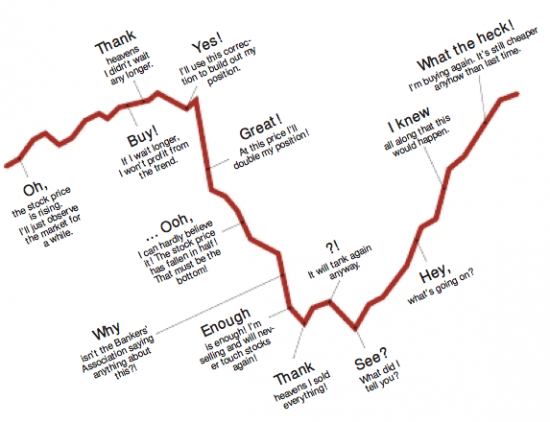
What a wild ride. First looking to open down 900 points on the Dow the day of the election to actually ending up when markets opened. The Dow screamed up about 850 points in the days that followed and gold fell. Other anomalies took place such as technology issues falling hard. Also falling hard was fixed income which are the majority of holdings for the proverbial widows and orphans. We also hold a good amount of fixed income so balances fell uncharacteristically. When fixed income falls their yields go up. The higher yield tends to entice buyers so it can be self-correcting and I was not too concerned.  Now that it has been a few days, hopefully markets will stabilize. We took somewhat of a more positive outlook and stance but will not go too far until the Fed meeting in December. Asset rotation (buying of one thing while selling another) was at a very fast clip. This caused balances to bounce all over for many investors. Never sell into a panic it is said. I agree. We will watch the markets and look for clues. I have high hopes for 2017! One number one concern as always is minimize any losses while looking to participate in rallies. 


Interest in talking about investing? Email me. We have multiple strategies from principal protection to all growth potential. The combinations are endless and no matter what kind of investor you are, we can help.


New services:
I spent the last 6 weeks obtaining a new California Insurance License (#OL34249) with certifications in:

Life Insurance

Accident and Health

Long Term Care

Annuities  

(See the synopsis below for our new services)


It was a whirlwind month with lots of study and lots of tests. One particular California state test was only given in Sacramento the day after Thanksgiving. What the hell?

So the Dept. of Insurance directed me to a Reno test center on November 8th. I had to go the Midwest to look into investments so I detoured to Reno and passed that particular test then moved onward. I previewed two investments for us, one there and one in San Francisco earlier in the month. Nothing like boots on the ground for the best view.

While in open meadow country I got to eat Midwestern BBQ overlooking incredible mountain ranges. It was a brief respite on the deck with new friends then back to California to keep working. Both investments look promising but I am still doing research to see if it might be something we can offer you.

I will be contacting clients in the next few weeks to update on new products and answer any questions. Tune into the show, read the articles and enjoy your Turkey.

Jambo!

Marc


--------------------------------


With the presidential elections now over and at least a partial ending to the circus of the absurd that it was, the economic question now on everyone’s mind is what will happen to the stock market in the coming days, weeks and months ahead.


The markets illustrated their continuing volatility with a wild pre-market indicator on election night showing a drastic start to the next day’s markets as Trump moved ahead during the vote counting only to turn back positive once it was confirmed he had actually won. What a wild ride it was for aftermarket traders!


Markets rocketed higher the next day and continued to do so at least for the first few days and at the time of this writing. Assets that benefitted initially were gold, stocks in general, healthcare, Russian markets and others. Interest rate sensitive issues such as bonds and utilities languished.


The thinking, at least during the first two days, apparently was that interest rates will rise faster under Trump than was initially expected with a Clinton victory and that more money will be spend on infrastructure and rebuilding certain areas of the economy, boosting company profits.


Trump’s talk of an amnesty period for repatriation of corporate overseas assets boosted a few asset classes but technology assets strangely did not exhibit the strength other areas saw.


The markets are likely to do some more digesting of what this all means for at least a few more weeks as upcoming statements from Trump will gradually give investors a window into just exactly what his plans are as far as the economy is concerned.


Tightly tethered to monetary policy as the market has been in the last decade or so since the start of the housing blow up and banking crisis, what the Fed does under a Trump administration will likely cause continuing volatility in the markets as the Trump show continues to unfold.


Since markets never do what anyone expects them to do, trading this market is likely to be next to impossible to accomplish with any sort of certainty at least for a while.


It is probably prudent for the average investor to sit tight and let the markets settle down a bit before committing large sums of money in any one direction or in any one area.


The old adage of keeping a certain amount of one’s portfolio in a cash position to smooth out volatility and retain purchasing power for the possibility of better prices down the road may be the best advice for the average mom and pop investor. 


Our customer portfolios as mentioned in our last musing have been neutral to market negative since about June and although we are now moving toward a more positive stance in recent days, we are still cautious about what might be ahead and therefore are not committing too much new money too quickly.


My advice to readers continues to be to consult a qualified financial professional for your investing needs and remember, no one can predict market movements anytime, anywhere. This article is not a recommendation to buy, sell or hold any securities and should not be construed as investment advice.

----------------------


Public and large corporate pension plans are widespread, vast in numbers and hold trillions of dollars in the aggregate. They also are the lifeblood of many Americans.


Public plans include coverage for federal employees, state and city employees, public teacher’s pensions, large university systems and many more.  Private company plans cover vast numbers of workers. The list is endless and varied and it is estimated over 20 million people depend on or will depend on them for providing income through their golden years.


But a disturbing report out from Moody’s’ Credit reporting agency gives us some eye-popping estimates as to what is promised versus what these plans actually have on their balance sheets. In other words, like so many other balance sheets these days, the shortfalls are becoming ominous.


The problem lies in the zero to near zero interest rate environment that exists in our monetary world today. The Federal Reserve has pegged their target rate close to zilch (that’s zero in laymen terms) for about 7 years now.


That means fixed income investments like bonds and other debt instruments don’t pay not nearly as much as they used to since they have to compete with the Fed rate. Due to their perceived relative safety, pension managers lean toward fixed income products to stack their portfolios so when interest rates drop so does the yield on their portfolios.


The problem is further enhanced by the way pensions figure what they will earn versus the amount of money they have to keep on hand and how they balance their books.


Based on historical interest rates being much higher, their models have gotten ahead of themselves.


Assuming the Feds rates of near zero were going to be temporary emergency measures to address the banking and real estate crisis (the key word here being temporary) many pensions failed to revise their assumed income rates. They failed to do so assuming low rates would give way to higher rates rather quickly.


How did this incorrect assumption hurt balances?


Incredibly, many plans still assume a return rate north of 7%. This is the crux of the problem.


For example, let’s say our local township knows X amount of employees will retire in X amount of years needing X amount of money. Assuming a 7% return compounded, the money the city puts aside will double in about 10 years. Now assume actual rates are at 1%. The money our township set aside now will take 72 years to double. Wham. In ten years’ time, the city’s pension is massively underfunded by about 45%. If more time passes the losses grow exponentially.  It adds up quick under the law of compounding.


Now that rates have remained at near zero for so long, if pension managers lower their assumed interest income this late in the game, the amount of cash they will have to commit to meet reserve guidelines would stress their balance sheets to no end not to mention the severe shortage of funds they have to pay off retirees now and in the future.


Put simply, near zero interest rates have decimated assumed returns and therefore liabilities have skyrocketed for many pensions plans.


Business Insider reports Federal pensions are unfunded to the tune of 3.5 trillion (note the T in trillion). Larry Edelson of Money and Markets says state pension plans are looking at another four trillion in unfunded liabilities.


Couple the two together and it equals about 40% of U.S. GDP, a staggering figure to say the least.  Zerohedge reports the top 25 U.S. corporation pension plans are also underfunded by at least 225 billion. This figure doesn’t include hundreds of other large corporations that also use the same models and probably have similar shortfalls.


With the stock market reaching new highs and many pension plans also holding equities, the problem may have improved somewhat.  But with the majority of pension holdings in conservative fixed income instruments which are not as subject to market movements, the shortfalls will likely remain at ominous levels before they problem is resolved, with many doubting it can be resolved at all, the damage is that bad.


Can you say the mother of all bailouts?


Money Matters update October 10, 2016

Its is important each of us who are fortunate enough to have food on our table make sure others have food on theirs. Can I ask your support in feeding the homeless and those in need this Thanksgiving?

Consider giving a buck or two and I will match a portion of the funds to the food bank of your choice. 

Here are some photos of what we are doing at the Food Bank of Nevada County


Food bank staff and board of directors (Some of us anyway)

From our garden we provide fresh homegrown vegetables- These we grew ourselves!


We serve in incredible 12,000 HEALTHY snacks a week to Nevada County Schools beside feeding thousands a month.

The letters we get from kids are both heartbreaking and uplifting. Can you spare a few bucks to help me help the poor? 

Help me help our community.


TURKEY MATTERS IS IN FULL SWING

Can I count on you?  Can our hungry count on you?  Let’s do it!

Its time again for our Turkey Matters food drive for the food banks of our counties.

Help me feed the poor with our annual turkey drive where we buy turkeys for the poor. I do this every year and now ask for community support. The program is easy.  Just make a check out to the food bank of your choice. Do not make the check out to KVMR or me. Make it out to the food bank of your choice.


Mail:  KVMR FM   120 Bridge Street, Nevada City, Ca 95959. Attention Turkey Matters.

I will match a portion of the funds with my own money to that food bank and KVMR will forward my check and yours to that food bank. That’s all there is too it! Please consider helping.

----------------------------------------

Money Matters airs this Thursday November 3, 2016 at NOON PST 

------------------------------------------------------------------
 

Marc's Notes:

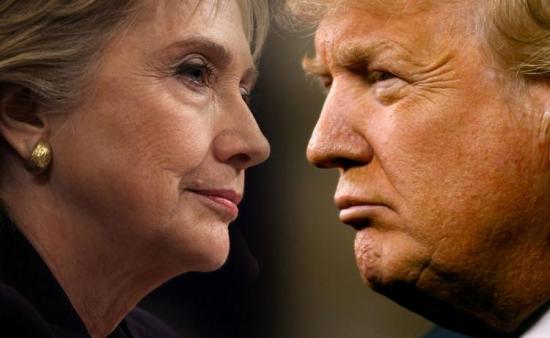
With pre- election fireworks not failing to disappoint, as is usual during elections periods, the markets apparently don’t know which way to turn. Having been market neutral to market negative in our portfolios, meaning our stance is one in line with a market going nowhere to perhaps even going down, and being that way for more than three months now, we, like the rest of the world, are wondering where the markets may go once the new president is sworn in.


With a Hillary win now looking more likely since the Donald was caught talking locker room to an extent that may have shocked even the staunchest of supporters, prognosticators are forecasting a Hillary shoe in. Of course, the election, like the market, loves fooling most of the people most of the time and calling elections, like calling markets is a fools game even for me.  One can only guess once again as to what president will cause the markets to either rise or fall after all the handles are pulled.


With big banks covering both sides of the aisle like they always do by donating to both candidates, the majority of analysts agree a Hillary win means the same ol’  same ol’ for Wall Street. That being the case, a Hillary win would, if the prognosticators are correct, and they often are not, the markets should move higher.


With the wild card being the Donald and no one knowing exactly just what it is he would do, the general impression is if the Don is elected, Wall Street might run for cover due to the uncertainty. Although Donald is definitely a one percenter and understands corporate America a hundred times better then Hillary, we still don’t know how predictable this unpredictable man will be if sworn in.


Don’t bet on any of this however as markets rarely do what the majority expect them to. The markets could react in an exact opposite direction then expected when one of these folks take to the oval office, and no matter which way it goes, neither direction will surprise at least this analyst.


I have learned a long time ago: no one knows anything for certain about the market. She is a fickle beast, looking to tear you a new you know what at any time. The market can break the smartest investor or make the dumbest lucky son of a b**** an overnight millionaire. The trick to riding it however, is too strap yourself on tight, hold on and prepare to be thrown off at any time. You can accomplish this by not committing too much money in any one direction, in any one industry or on any one outcome.


We will know what the markets think of our new president in due time, and it likely won’t exactly pan out like anyone expects. That’s the thing about markets: They are impossible to predict. 


--------------------------------------


With the holidays approaching, thoughts turn to family and friends. For me thoughts also turn to calories as in the consumption of them. I try and limit my intake as I am an old man now but still have young kids. I started late and so am trying to stay alive to see them go to college, marry and give me some grandkids. (Ouch that sounds bad).


Anyway, at the young age of 60, I try and work out once a day, limit my bad food intake and take things into my body to hopefully make my mind stay sharp. I read a lot about investing on all things money but also read about investing in my vessel that houses my brain which is of course by body. Many an old person has told me the brain may stay sharp but the body gives out. For that reason, I am trying to stay ahead of the game.

Besides the obvious benefits from working out with aerobic movement (circulatory benefits) and weight bearing exercises (skeletal benefits and body shape improvement) I also take a variety of supplements and foods that may (or may not) allow me to live a fuller life and keep moving through the duration of it.

People always say to envision and set goals in one’s life yet I have found no one that has set an AGE GOAL. If setting goals and visualizing things is generally agreed upon as to actually improve one’s odds at achieving those goals, I ask: why NOT set an age goal?

Just because no one does it and no one can really determine exactly what day one will meet his maker, I figure if none of the unexpected early life terminators (accident, cancer or other) puts me down prior to my succumbing of old age, why not set an age goal just for the hell of it?

Like I said, if setting goals and envisioning things is actually generally accepted as good practice, why not set an age goal right?

So a few years back I set a goal of living to be 128. Yes, that’s a bit long and would set a verifiable old age record if I actually make it, I aim to shoot high and why not.

Like a business negotiation where one always starts high on price and negotiates downward (seller of goods) or the buyer who starts LOW and works UP, I figured 128 was a good starting point.  Go big or go home right?

My 91 year old tells me once I get to 90 or so I won’t want to live any longer due to the pain I will experience just moving around but I still notice he doesn’t jump off a bridge to end his life. He still wants to live.

And yes I do notice some old people who can’t walk, can’t sit comfortably, are grossly overweight or have other infirmities, afflictions that may very well affect me in due time but I don’t give up easily in anything and just because most people tell me these things are a certainty, like many things I am told in my life, I say hogwash.

Don’t tell me I can’t do something because if I think I can and I want to do it, I will tell you to go jump in the proverbial lake.

To attain a goal, one first has to believe it is attainable. Call me crazy (and many have over my life) but I firmly believe I can make it to 128. I am not saying the odds are in my favor of course, in fact the odds are grossly stacked against me, but like playing an opponent on a hot field on a hot day, my response is yes it may be hot, but it’s hot on BOTH sides of the court. The harder it gets, the more determined I get.

In other words, as was said in the movie Star Wars “Never tell me the odds”.
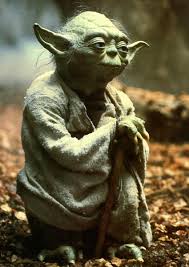
 

In the same series, it was also said by Luke in the second Star Wars movie “I don’t believe it” of which the response from Yoda was “that is why you fail”.

I am pretty much convinced you won’t live to 128, nor 118, 110 or even 100 if you don’t believe you will. If you make up your mind to fail in anything, you most likely will.

So I try not to go into anything thinking I will fail. I MAY fail (everyone does every so often) but I don’t start out with that belief nor do I catch myself believing I will fail anytime during the process.

Positive thinking wont insure you will succeed of course, and just being positive won’t make a bad plan succeed. But a good plan needs the best opportunity to succeed and that starts with doing your homework, then be willing to do the work all the while believing you will succeed.

So to get to 128 I read a lot about health. I mean a lot! I eat stuff that tastes like crap and although I don’t like things that taste like crap, I eat them (ever try Noni Juice?)

In the morning (every morning except when traveling) I take blueberry juice (rats live a lot longer fed blueberries so I read), Noni juice (this stuff is GOD AWFUL), grapefruit juice with nutritional yeast (also tastes like crap but not as bad as Noni juice), two tablespoons of raw olive oil (see the movie Lorenzo’s oil), prune juice (has tons of iron and is good for digestion), green tea (three or more cups a week helps prevent various cancers),ephedra tea (opens up lungs and stimulates circulation) and then a small bit of protein in the form of a lean meat or egg.

After that I take about 30 supplements (yes I might be wasting my money but who really knows right?).

Throughout the day I love turkey with homegrown lettuce, protein shakes ( I work out a lot so I need lots of protein), more juice, and all sorts of healthy stuff. I stay away from burgers and fries, shakes and packaged stuff but don’t get me wrong. I can polish off a box of Sees’ candy, smoke a cigarette on occasion, quaff down two or three martinis or wines and eat salami and pie with the best of them. I LOVE ice cream and other sinful foods and will eat them if I feel like it.

I don’t believe in denying myself the finer things in life because if I do why the heck would I want to live to 128 right?

The point is I have vices and bad habits but it’s not what you do once in a while that makes or breaks you, it’s what you do on a daily basis that counts. What I do daily may not be the best in the entire planet of health food nuts but what I do works for me.

Who knows, tomorrow I may get cancer, die in a car wreck or have a stroke and it that happens so be it. At least I tried. But right now I am in the best shape of my life (barring my young twenties of course). My hair is thinner and my knees and back are always sore but my body weight and shape I see in the mirror pleases me to no end.

I am still fairly sharp and can argue (or debate) with the best of them. I work hard and can multi task no problem. I try and control my temper, relax and meditate, work out and do the best I can for my clients and customers by studying constantly, always asking what if and why and always question my decisions one last time to cover the possibility  “what if I’m wrong here”.

I may not make it to 128 but don’t tell me that and don’t let anyone tell YOU that something can’t be done if you know it can be. Just don’t forget to do your homework then be willing to do the work. Then believe it CAN be done during the whole process.


Do all those three things and that will give you the best chance at actually doing whatever it is you want to do and I’ll see you in year 2083 (maybe).


Jambo!


Marc



Syndicate content